Save big with our exclusive discounts!
Common Mistakes Parents Make with Printables
Discover the common mistakes parents make when using printables and learn effective solutions to fix them. Enhance your experience with printables for parents and avoid pitfalls.
Becky
12/19/20252 min read


Understanding the Importance of Printables
Printables have become an invaluable resource for parents seeking to enrich their children’s learning experiences. From educational worksheets and activity sheets to creative crafts and coloring pages, printables offer flexible and engaging ways to support learning at home. When used thoughtfully, they can help reinforce skills, encourage creativity, and build confidence in young learners.
However, despite their many benefits, printables are not always used effectively. Many parents unintentionally make small mistakes that reduce their impact. Understanding these common pitfalls—and how to avoid them—can help parents maximize the educational value of printables and create more meaningful learning experiences for their children.
Overlooking the Purpose of Printables
One of the most common mistakes parents make is selecting printables based solely on appearance rather than purpose. While colorful and visually appealing designs can attract attention, they may not always align with a child’s learning needs or developmental stage.
To use printables more effectively, parents should first identify clear learning goals. For example, if the objective is to strengthen math skills, choosing worksheets that focus on counting, addition, or subtraction will be far more beneficial than unrelated activities. When printables are intentionally selected to support specific educational goals, they become powerful tools rather than mere busywork.
Printing Without Preparation
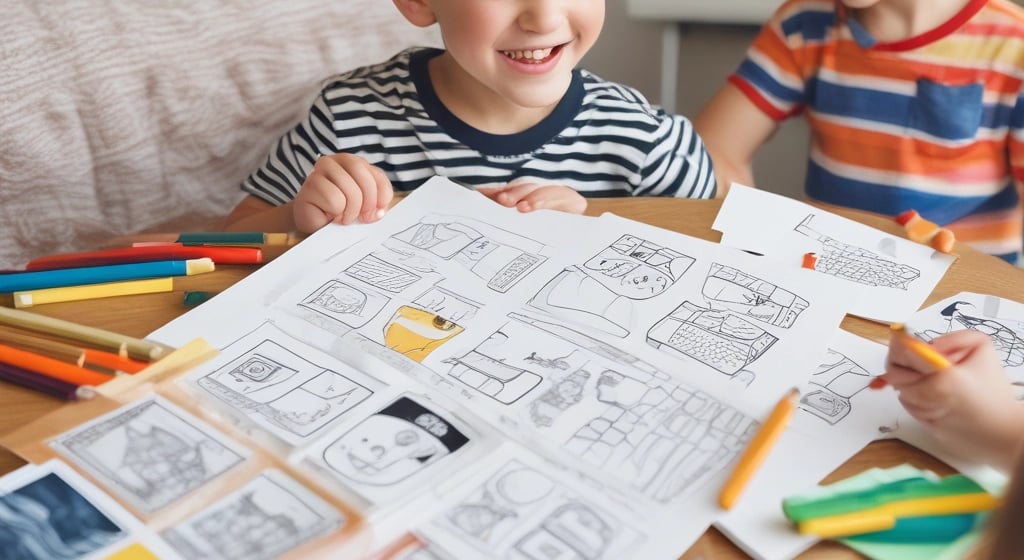
Another frequent oversight is printing materials without proper preparation. A printable activity may lose its appeal if parents are unprepared with the necessary supplies or if the environment is not conducive to focused learning. For instance, printing coloring pages without crayons, markers, or pencils readily available can quickly frustrate a child.
Planning ahead makes a significant difference. Parents should gather all required materials, set up a comfortable and distraction-free space, and allocate enough time for the activity. Proper preparation not only ensures a smoother experience but also helps children stay engaged and motivated throughout the task.
Neglecting to Adapt Printables to the Child
Every child learns differently, yet many parents use printables exactly as they are without considering individual learning styles, interests, or skill levels. This rigid approach can lead to boredom or frustration, especially if the material feels too easy or too challenging.
Parents should feel confident adapting printables to suit their child’s needs. This might include simplifying instructions, adjusting the difficulty level, adding hands-on elements, or connecting activities to topics the child already enjoys. Expanding beyond the printed page—such as turning a worksheet into a game or discussion—can further enhance understanding and engagement. Adaptation transforms printables into personalized learning tools that resonate more deeply with children.
Conclusion
Printables can be powerful educational resources when used with intention and care. By aligning activities with clear learning goals, preparing adequately, and adapting materials to fit individual learning styles, parents can unlock the full potential of printables. Thoughtful use of these resources not only supports academic development but also makes learning more enjoyable and less overwhelming for children. With the right approach, printables can play a meaningful role in nurturing curiosity, creativity, and confidence in a child’s educational journey.
shopkieta printables
Follow us on social Media for more tips
Contact
support@shopkieta.com
© 2026. All rights reserved.